
Communication is one of our most fundamental human rights, and every child deserves a meaningful way to express themselves, connect, and be understood.
Communication should be accessible, empowering, and meaningful, whether through spoken language, AAC, gestures, or other forms of expression. A neurodiversity-affirming, child-centered approach honors each child’s unique strengths, interests, sensory needs, and communication style.
Through collaboration with families, the goal is to help children communicate, participate, and feel supported across the environments that matter most. And when it comes to feeding, mealtimes can be about so much more than food, they can be opportunities for connection, participation, and joy.
Speech, Feeding, & Communication Support for Children
-
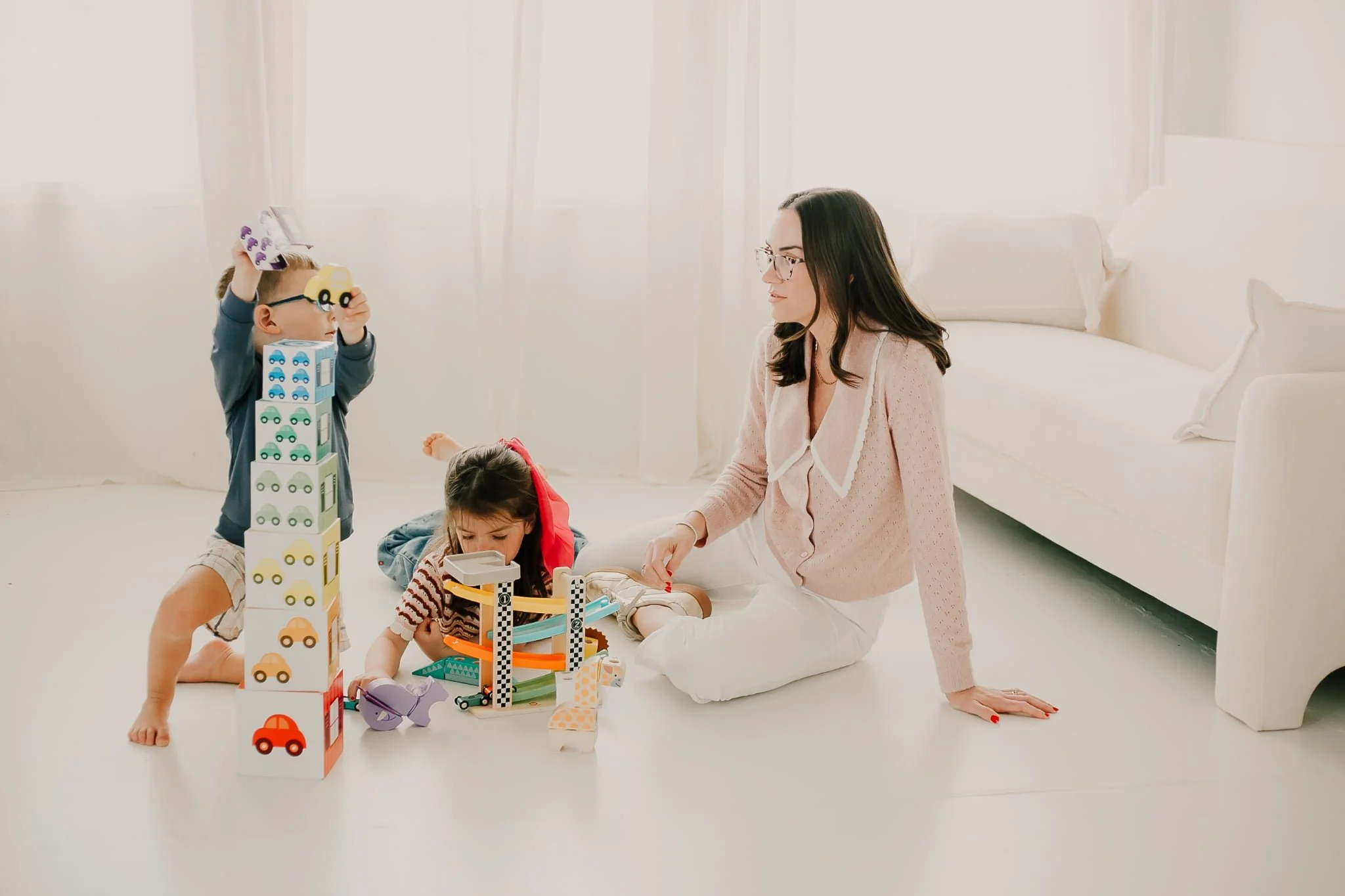
We provide individualized speech and language therapy for children who have difficulty communicating effectively. Services may address speech sound production, language development, social communication, fluency, and other communication challenges. Therapy is tailored to each child's unique strengths and needs, helping them build confidence and succeed at home, in school, and in their community.
-
Our feeding therapy services help children build the skills needed for safe and confident eating. We work with families to address concerns such as difficulty chewing or swallowing, limited acceptance of age-appropriate textures, and other feeding challenges. Through individualized, evidence-based intervention, we help make mealtimes safer and more successful.
-
We help children access communication through a variety of assistive technology solutions, including both high-tech and low-tech AAC. High-tech options may include speech-generating devices, communication apps, and eye-gaze systems, while low-tech options include communication boards, picture supports, and communication books. Our goal is to identify the tools and strategies that best support each child's ability to communicate, learn, and participate in everyday life.
-
Navigating special education services can feel overwhelming. We provide educational advocacy and consultation to help families understand the special education process and effectively participate in educational planning for their child. Services may include reviewing records, preparing for meetings, explaining evaluation results, and supporting families throughout the IEP process.
Not sure where to start?
Choosing the right support for your child can feel overwhelming. Let’s talk about what you’re seeing, what you’re concerned about, and whether Cowtown KidTalk may be a good fit.